Zugvögel (zumeist) | Migration (Mostly)

Die grosse Trockenheit dieses Sommers hat in den meisten Seen der Schweiz zu Tiefstständen geführt. So tummeln sich nun zwar auch auf unserer Seite des Bodensees Limikolen und Enten auf dem Zug in grosser Zahl. Viele halten sich aber am liebsten im seichten Wasser auf, was bedeutet, dass sie recht weit draussen sind und daher zum Fotografieren meist eine Herausforderung darstellen. Für ein paar Fotos hat es dennoch gereicht.

Large numbers of waders and ducks are now gathering on our side of Lake Konstanz as they migrate. However, many prefer to stay in shallow water. But this summer’s severe drought has caused water levels to drop to record lows in most of Switzerland’s lakes. This means that the birds are quite far out and therefore usually present a challenge when it comes to taking photographs. Nevertheless, I managed to get a few shots.

Was die Zugvögel angeht: Der kleine Alpenstrandläufer ist der häufigste der Strandläufer. Er brütet hoch im Norden, migriert breit über die Kontinente hinweg und bezieht Winterquartier vor allem an den Küsten, in Indien auch im Inland. Wir haben einen Schwarm von über 100 angetroffen in Arbon.
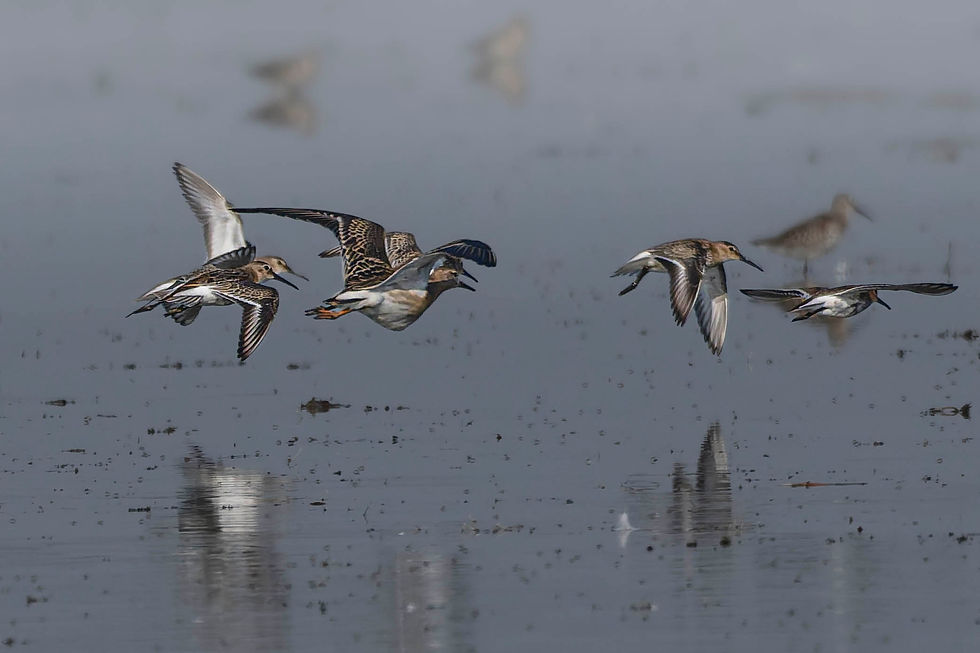
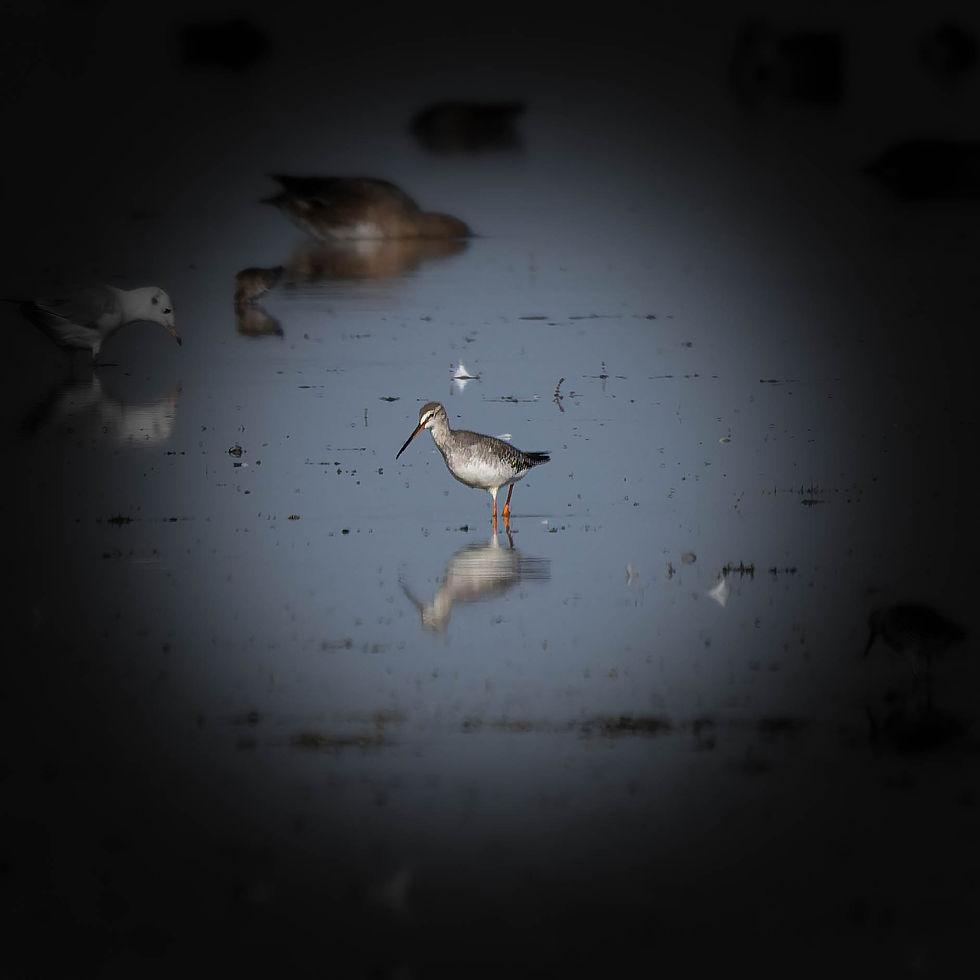
Ebenfalls gut zu sehen waren ein paar junge Kampfläufer. Ihnen bin ich hier nähergekommen als je zuvor. Sie halten sich im Sommer ebenfalls im hohen Norden auf und überwintern gerne an südlicher gelegenen Meeresküsten und in fast ganz Sub-Sahara-Afrika. Das Zugverhalten des Dunklen Wasserläufers ist sehr ähnlich.

As for the migratory birds: the Dunlin is the most common of the stints. It breeds far to the north, migrates across vast swathes of the continents and takes up winter quarters mainly along coastlines, though in India it also ventures inland. We came across a flock of over 100 in Arbon. A few young Ruff were also visible. I got closer to them here than ever before. They also spend the summer far to the north and prefer to overwinter on southern coastlines and across almost all of sub-Saharan Africa. The migration behaviour of the Spotted Redshank is quite similar.
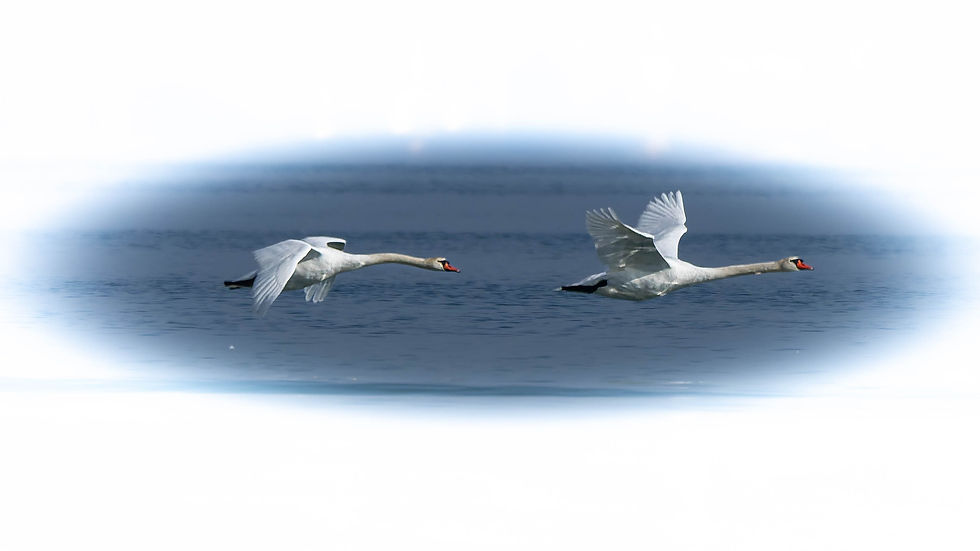
Von den Entenvögeln fielen die vielen Gänsesäger auf, ebenfalls fast alles Jungvögel, und ein grosser Schwarm von Kolbenenten, sicher über 50. Zahlreiche Männchen waren noch im Prachtkleid und zeigten ihren korallenroten Schnabel und den bronze-goldfarbenen Scheitel. Sie sind Kurzstreckenzieher. Im Westen halten sie sich im Winter vor allem in Spanien, an den westlichen Küsten Nordafrikas und im Niltal auf. Und nein, die Höckerschwäne sind keine Zugvögel. Das gilt aber nicht für alle Schwäne. Die Singschwäne zum Beispiel ziehen, wenn auch nur kürzere Strecken bis zu 2'000km (Langstreckenzieher: 4'000km und mehr). Im Winter sind manchmal welche im Untersee zu beobachten.

Among the ducks, the numerous Goosander stood out – almost all of them juveniles – as did a large flock of Red-crested Pochard, certainly over 50. Numerous males were still in their breeding plumage, displaying their coral-red beaks and bronze-golden crowns. They are short-distance migrants. In the west, they spend the winter mainly in Spain, on the western coasts of North Africa and in the Nile Valley. And no, the Mute Swans do not migrate. But that is not true for all swans. The Whooper Swans, for example, do migrate, even if shorter distances (up to 2'000km; long-distance migration starts at about 4'000km). In winter, sometimes one can observe some Whooper Swans at the Untersee (part of Lake Konstanz).

Ein paar Tage später waren wir nochmals im Urnerland, am Göscheneralpsee, wo wir bei wunderbarem Herbstwetter über den See hinaufstiegen und uns an den herbstlichen Farben der Natur erfreuten.

Die Adler konnten wir diesmal nur erahnen. Die Greifvögel hatten die Thermik benutzt und flogen nicht identifizierbar hoch über dem Horizont. Auch von dem Trupp von Erlenzeisigen gibt es leider kein Bild. Sie flogen emsig in einer Tanne herum, sassen aber nie für ein Foto still. Unterwegs haben wir einige Zilpzalpe gesehen und noch mehr gehört - auch sie nun wohl auf dem Weg nach Süden. Der Zilpzalp hat ein diverses Zugverhalten, je nachdem, woher er kommt. Vögel aus dem hohen Norden sind Langstreckenzieher. Die Mitteleuropäer können beides sein und vor allem in Italien ist der Zilpzalp ein Standvogel. Die Vögel überwintern in Spanien oder im Afrika nördlich des Äquators - wenn sie nicht vorher in einer Bratpfanne landen.

Es ist nicht verständlich, dass man für das Bisschen Fleisch die vielen Singvögel v.a. in Italien, Malta , Zypern und an der nordafrikanischen Küste aus dem Himmel holt, oft auf grausame Weise. Aber es ist traurige Wahrheit! Mehr über diese Missstände kann man hier erfahren:
A few days later we were back in the Uri region, at Lake Göscheneralp, where, in wonderful autumnal weather, we climbed up above the lake and marvelled at nature’s autumnal colours.

This time we could only guess at the presence of the eagles. The birds of prey had made use of the thermals and were flying high above the horizon. We were not able to identify them. Unfortunately, there is also no photograph of the flock of Eurasian Siskins we could observe. They were flitting busily about in a fir tree, but never sat still long enough for a photo. On the way, we saw a few Common Chiffchaffs and heard even more – they too are now presumably on their way south. The Common Chiffchaff has varied migratory behaviour, depending on where it comes from. Birds from the far north are long-distance migrants. Those from Central Europe can be either, and in parts of Italy in particular, the Common Chiffchaff is a resident bird not migrating at all. The migrating birds overwinter in Spain or in Africa north of the equator – if they don’t end up in a frying pan first. It is incomprehensible that, for the sake of a little bit of meat, so many songbirds – particularly in Italy, Malta, Cyprus and along the North African coast – are taken from the sky, often in a cruel manner. But it is the sad truth! You can find out more about these abuses here:


Comments